
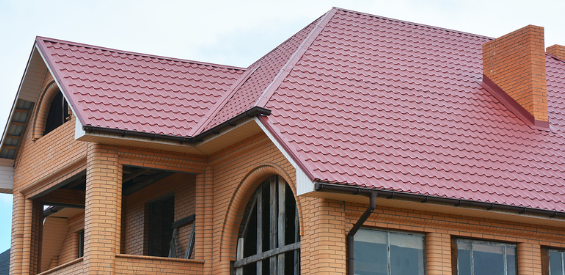
Searching for Roofing in Bryan Texas leads quickly into how a roof is actually put together; every layer depends on the layer below. The valley's weather tests every layer of a roof, from the deck up to the ridge; careful assembly counts for as much as the covering chosen.
Layer by Layer From Rafter to Ridge
Framing sets the shape of the roof and the angle of every slope; a sagging line along a ridge points at framing. Panels of wood nailed across the rafters make the working floor of a roof; fasteners hold the deck, and the deck holds everything else. Felt or synthetic sheets give a roof a backup when wind drives rain past the covering; underlayment gets covered fast so it never sees weather for long. Joints, edges and openings all call for flashing cut and set by hand; the details are small, and a missing detail is a leak. Covering choices range from layered asphalt to standing metal to clay or concrete; choosing a covering is easier once the layers below are understood.
Under the Shingles, Plywood Does the Work
Gaps at panel edges give the wood room to swell in humid weather; edges that touch may buckle once moisture arrives. Soft decking feels spongy underfoot and gives way under a crowbar; a good scope says how extra decking will be handled before work begins. Fastener pattern is a quiet part of every proper installation; a nail gun at the wrong pressure ruins a good roof.
The Hidden Waterproofing
Felt still works, and synthetic sheets have simply improved the margin of safety; crews can show a sample in the driveway. Where two slopes meet, water gathers and speeds up on its way down; a well-built valley passes a garden-hose test. Where masonry meets roof, metal pieces overlap in steps and tuck into mortar joints; old sealant on a chimney is a sign that metal work has been skipped. Every vent on a roof is a hole sealed by a part that ages faster than the covering; a quick roof walk after a storm should include the vent pipes.
What Each Covering Does Well
Granules on the surface shield the asphalt from sun and give each shingle its color; shingle color affects how much heat the roof absorbs. Metal roofing comes as standing seam panels, corrugated sheets or stamped shingles; panel profile and gauge should be named in the scope. Concrete tile is heavy, so the roof framing has to carry the weight; framing should be checked before tile goes on. Cedar and similar woods are split or sawn into tapered pieces and laid in overlapping courses; humid air and shade encourage moss and decay on wood. Modified bitumen sheets are torched or adhered in overlapping layers for strong seams; each membrane type has its own seam method.
Brazos Valley Sun, Heat and Humidity on Every Layer
Sun is the slow enemy of a roof, working a little every day; lighter colors reflect more heat, and darker colors absorb more. Heat builds under a roof, and attic temperatures climb well above the outdoor air; high attic heat is hard on wiring and stored belongings. Damp air and shade give moss and lichen a start on roofs under trees; trimming back branches helps sunlight dry the surface. Rain driven sideways finds gaps that ordinary rain never reaches; a post-storm walk around the property catches early damage. Soil that shifts with the seasons quietly stresses a building from below; cracks that open and close with the weather point to the ground.
Air Movement Under the Deck
Ventilation pulls cool air in low and pushes hot air out high; a quick look in the attic shows whether air is moving. Trapped heat bakes shingles from below, and trapped moisture rots the deck; balanced airflow keeps the attic drier and cooler.
Step by Step Through Installation
Removal reveals what the old roof was hiding, from rot to missing fasteners; nails scattered across the yard get swept with a magnet. Drip edge and underlayment go on next, starting at the eaves and working up the slope; ask to see the underlayment before the covering buries it. Fastening follows the manufacturer's pattern for the product being laid; each material follows its own installation rules. The last task is to walk the property with the owner and talk through the work; ask for an explanation of any upkeep needed on the new covering.
How Pitch Chooses the Material
Asphalt shingles need a minimum slope to shed water reliably; steeper slopes take more care to work on, so crews plan for safety. Every change in direction on a roof is a line where water has to be managed; ask the crew to point out every joint they plan to flash.
Keeping the Whole System Healthy
A pass with a leaf blower or a soft broom keeps debris from piling up; clean surfaces dry faster and wear more slowly. Each covering has its own care routine, from granule checks on shingles to seam checks on metal; binoculars from the yard reveal a lot.
Words Roofers Use and What They Mean
Eaves, rakes and ridges are the three edges every roof proposal mentions; clear vocabulary keeps everyone talking about the same part of the roof. A lap is the overlap between sheets or pieces, whether shingle, underlayment or metal panel; the manufacturer's instructions set the right exposure for each product. Waste, cutting and extra pieces at valleys and ridges add to the material count; an aerial photo or a tape on the roof can both produce a good measurement.
Questions That Sort Good Plans From Vague Ones
Ask for the layer order in writing, from the deck to the ridge; a plan that skips a layer should explain why. Find out how the plan handles valleys, walls and every pipe through the surface; water management is the point of the whole roof. Request thoughts on ventilation, since a roof that cannot breathe wears out early; ask which materials the crew trusts for hot, humid summers.
Plan the Work Step by Step
Call 979-464-6655 to talk through the covering, the underlayment and the details; questions about weather, shade and upkeep are welcome.