Anyone researching Metal Roofing near Bryan Texas meets the same vocabulary of decks, underlayment and flashing; a roof is a system, and each part has a job. Heat, moisture and wind shape which materials last in the region; materials matter, and so does the way the parts fit.
Parts That Work as One System
Framing sets the shape of the roof and the angle of every slope; a sagging line along a ridge points at framing. Decking is the flat skin over the frame, usually plywood or oriented strand board; water damage shows up first in the deck. The underlayment catches water that sneaks beneath the visible surface; the layer is unglamorous and does real work in a storm. Flashing is metal, shaped and fastened at every joint where the roof meets something else; the details are small, and a missing detail is a leak. Covering choices range from layered asphalt to standing metal to clay or concrete; the best coverings suit the roof shape and the weather together.
Decking and the Wood Beneath
Panel sheathing comes in sheets nailed across the rafters with small gaps for movement; edges that touch may buckle once moisture arrives. Rot and moisture damage hide under old coverings and only show once the covering comes off; a good scope says how extra decking will be handled before work begins. Nails and screws set at the right depth and spacing keep panels from shifting; the best crews check air pressure on the nail guns during the day.
Underlayment and Flashing: The Quiet Layers
Felt still works, and synthetic sheets have simply improved the margin of safety; crews can show a sample in the driveway. Each valley style has its own habits and its own ways to fail; pine needles and leaves pile up in valleys first. Where masonry meets roof, metal pieces overlap in steps and tuck into mortar joints; chimney joints are a frequent source of leaks. Rubber collars around plumbing pipes crack in the sun long before shingles wear out; new boots belong on every roof that gets a new covering.
What Each Covering Does Well
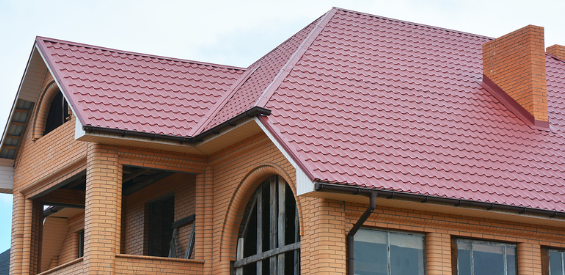
Architectural shingles add thickness and shadow lines, while basic three-tab shingles stay thinner and flatter; a check of gutters for granules shows how a shingle roof is aging. Barns, shops and modern homes across the valley use metal for its light weight and long reach; expansion and contraction call for clips or fasteners that allow movement. Barrel and flat tiles give a roof a strong Spanish or Mediterranean look; hail can break tile, so a post-storm look is worthwhile. Natural covering ages to a silvery gray and calls for patient upkeep; treatments and cleaning extend the life of a wood roof. Commercial buildings, porches and additions with low slopes rely on membrane systems; each membrane type has its own seam method.
Weather That Shapes Roofs in the Valley
Ultraviolet light breaks down shingle binders, fades paint and chalks plastic membranes; the surface layer is the first to show the sun's effect. A dark roof on a still afternoon can heat the attic to oven temperatures; high attic heat is hard on wiring and stored belongings. Black streaks on shingles are algae feeding on the limestone filler; pressure washing is a bad idea for most roofs. Spring storms test a roof with hail, straight-line wind and sudden downpours; impact-resistant shingles and sturdy fastening patterns improve storm performance. Foundation movement can crack drywall, stretch roof lines and open gaps at wall tops; an honest crew checks the attic before blaming the covering.
Ventilation and the Attic
A balanced system draws in as much air as it exhausts; mixing different vent types can short-circuit airflow. Poor ventilation shortens the life of a roof from underneath; insulation that blocks soffit vents is a common cause.
The Order of Work on a Roofing Job
Removal reveals what the old roof was hiding, from rot to missing fasteners; nails scattered across the yard get swept with a magnet. The base layers go down in a precise order, from lowest edge to highest ridge; wrinkles and gaps in the sheet layer are visible and fixable. Fastening follows the manufacturer's pattern for the product being laid; ridge caps and hip pieces finish the top edges. Closing a roofing job means checking every slope and every detail; ask for an explanation of any upkeep needed on the new covering.
Why the Angle of a Roof Matters
The angle of a roof sorts the materials into suitable and unsuitable choices; a lower slope calls for a closer look at every seam. Additions built over time often leave a patchwork of slopes and seams; ask the crew to point out every joint they plan to flash.
Small Habits That Protect a Roof
Trees overhead drop needles, twigs and sap that can stain and clog; keep branches trimmed back from the surface. Metal needs an occasional look at fasteners, sealants and scratches; binoculars from the yard reveal a lot.
Reading the Language of Roofing
Eaves, rakes and ridges are the three edges every roof proposal mentions; a scope that uses the terms correctly was written by someone who knows the trade. A course is one horizontal row of covering, and the exposure is the part of each piece left showing; laps matter at every layer, not just the top one. Measuring a roof means area, pitch and the number of edges, not just length and width; large differences in measured area between crews are worth a question.
What to Ask Before Choosing a Covering
Request a list of the materials by product line and not just by color; a plan that skips a layer should explain why. A good answer covers gutters, downspouts and the edge metal in one conversation; water management is the point of the whole roof. Find out how the plan accounts for sun exposure, attic heat and damp shade; local knowledge shows in the questions a crew asks about the property.
Bring Your Roofing Questions to a Real Conversation
Ring 979-464-6655 to walk through Metal Roofing and the order of the work; pitch, age and number of layers are useful facts to have ready.