
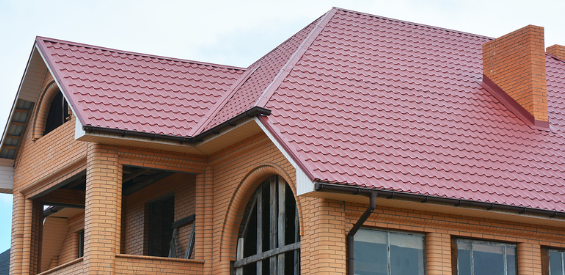
Looking up Asphalt Roofing Repair around Bryan Texas is easier with a picture of the layers under the surface; every layer depends on the layer below. A roof in the valley bakes for months, then gets soaked in a single afternoon; good decisions begin with knowing what each layer is for.
The Anatomy of a Roof
Framing gives the roof its pitch, its lines and its strength; straight lines on a roof start with straight lumber below. Sheathing boards or panels span the framing and give the covering something solid to grip; soft or stained patches get replaced before anything goes on top. The underlayment catches water that sneaks beneath the visible surface; seams and laps matter, and a crew should be able to describe them. Joints, edges and openings all call for flashing cut and set by hand; flashing is where a patient crew separates itself from a rushed one. On top of all the hidden work sits the surface everyone sees from the street; the real job of any covering is to shed water and shrug off sun.
Under the Shingles, Plywood Does the Work
Gaps at panel edges give the wood room to swell in humid weather; each panel needs fasteners into the rafters on a steady pattern. A leak that has run for a long time leaves dark, soft wood behind it; the fix is simple once the damage is found. Fasteners hold a deck and a covering in place, and the right pattern matters; a nail gun at the wrong pressure ruins a good roof.
Details That Keep Storm Water Out
Underlayment choices range from asphalt-saturated felt to modern synthetic rolls; high-heat areas under metal may call for special sheets. Valleys carry the heaviest flow of water, so the metal or sheet there gets extra care; ask which valley style the crew prefers and why. Counterflashing sits in the wall and covers the base flashing like shingles on a miniature roof; ask whether counterflashing will be cut in or surface-mounted. Every vent on a roof is a hole sealed by a part that ages faster than the covering; a quick roof walk after a storm should include the vent pipes.
Choosing the Surface Layer
Granules on the surface shield the asphalt from sun and give each shingle its color; heat and sun slowly wear the granules, so the surface thins with age. Steel and aluminum panels shed rain quickly and reflect a share of the summer sun; rain on bare metal is loud unless the attic is insulated. Tile roofing uses clay or concrete pieces that overlap like scales and last through harsh weather; the underlayment beneath tile handles the heavy waterproofing work. Cedar and similar woods are split or sawn into tapered pieces and laid in overlapping courses; treatments and cleaning extend the life of a wood roof. Membrane roofing covers flat and low-slope buildings with sheets, rolls or liquid layers; ponding water signals a problem with slope or drainage.
Why the Local Climate Matters to a Roof
Summer sun on a roof in the valley is intense and long, so ultraviolet exposure wears every surface; the surface layer is the first to show the sun's effect. Hot attics bake the underside of the deck and shorten the life of the covering; ventilation moves heat out and keeps the structure cooler. Damp air and shade give moss and lichen a start on roofs under trees; trimming back branches helps sunlight dry the surface. Strong gusts lift edges, crease tabs and tear loose anything poorly fastened; storm damage often hides in places that look fine from the ground. Clay soil in the Brazos Valley swells when wet and shrinks when dry, and houses move with it; an honest crew checks the attic before blaming the covering.
Intake, Exhaust and a Cooler Roof
The attic works like a chimney, with intake at the bottom and exit at the top; a quick look in the attic shows whether air is moving. A stuffy attic can add heat to the living space below in summer; ventilation is simple to fix during a roof job.
Step by Step Through Installation
Debris falls into trailers or dumpsters while the crew works their way across each slope; tear-off is the moment the real condition of the roof becomes known. Edge metal is set along the eaves and rakes before the sheet layer goes down; starter strips and edge pieces finish the perimeter. A string line or chalk mark keeps every course straight across the slope; each material follows its own installation rules. A final look from the ground confirms straight lines, tidy edges and clean valleys; ask for an explanation of any upkeep needed on the new covering.
Why the Angle of a Roof Matters
Pitch is the rise of a roof over its run, and the number decides which coverings are allowed; a slope that looks steep from the street is gentler than it seems. More valleys, walls and corners mean more flashing and more places for a detail to fail; a good scope names every valley and every wall joint.
Maintenance That Matches the Materials
Clean gutters and clear valleys keep water moving off the roof; clean surfaces dry faster and wear more slowly. Membrane roofs need clear drains and a check for punctures and loose seams; small repairs made early keep a roof out of trouble.
Decoding the Vocabulary of a Proposal
Roof edges have names, and each name points to a particular detail of the job; clear vocabulary keeps everyone talking about the same part of the roof. Rows of covering step upward from the eave, each hiding the nails of the one below; uneven rows are easy to spot from the street. Waste, cutting and extra pieces at valleys and ridges add to the material count; the measurement is the foundation of every material order.
Bring These to the Conversation
Request a list of the materials by product line and not just by color; the written list is the reference for the final walk. Ask who is responsible for sealing the openings and how they will be sealed; water management is the point of the whole roof. Request thoughts on ventilation, since a roof that cannot breathe wears out early; the best plans are written for one building at a time.
Bring Your Roofing Questions to a Real Conversation
Dial 979-464-6655 to compare materials for the roof shape in front of you; the conversation begins with the roof as it stands today.