
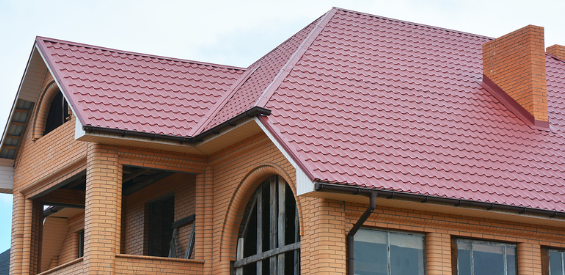
Reading about Hail Damage Roofing Repair Services in Bryan Texas works best with the roof in mind as a stack of parts; the visible covering is only the top of the stack. Summer sun, humid air and spring hail all work on a roof from different directions; good decisions begin with knowing what each layer is for.
What Sits Under the Visible Surface
Below the surface, a roof starts with a wooden skeleton of rafters, trusses and ties; straight lines on a roof start with straight lumber below. The deck turns a frame into a surface, and the surface carries the weather layers; new covering is only as good as the wood beneath. Think of underlayment as a raincoat worn under the roof's jacket; underlayment gets covered fast so it never sees weather for long. Joints, edges and openings all call for flashing cut and set by hand; metal outlasts sealant, so good crews rely on metal first. The covering is the visible layer, whether shingles, panels, tile, wood or a membrane; the best coverings suit the roof shape and the weather together.
Why the Deck Gets So Much Attention
Panel sheathing comes in sheets nailed across the rafters with small gaps for movement; the deck needs room to breathe, and tight spacing causes ripples. Stains on the underside of the deck mark the places where water has been traveling; sound boards stay, damaged boards go, and the decision happens on site. Hardware choice and placement decide how well a roof grips through wind; the best crews check air pressure on the nail guns during the day.
Details That Keep Storm Water Out
Felt still works, and synthetic sheets have simply improved the margin of safety; ask which type goes on the roof and why. Where two slopes meet, water gathers and speeds up on its way down; debris collects in valleys, so a clear path helps. Where masonry meets roof, metal pieces overlap in steps and tuck into mortar joints; photos of the finished chimney show the work. Rubber collars around plumbing pipes crack in the sun long before shingles wear out; metal or lead alternatives last longer in sunny climates.
Five Common Coverings and Their Habits
Asphalt covering suits a wide range of slopes, upkeep habits and design tastes; heat and sun slowly wear the granules, so the surface thins with age. Metal sheds debris, resists fire and handles wind well when it is fastened correctly; rain on bare metal is loud unless the attic is insulated. Tile roofing uses clay or concrete pieces that overlap like scales and last through harsh weather; the underlayment beneath tile handles the heavy waterproofing work. Wood roofs need airflow underneath so the pieces can dry between rains; ask what the crew does about spacing and fastening. Flat roofs drain slowly, so the membrane has to be continuous and well sealed; reflective white membranes keep buildings cooler in summer.
What Summers and Storms Do to Roofing
Summer sun on a roof in the valley is intense and long, so ultraviolet exposure wears every surface; granule loss in the gutters is a visible sign of sun wear. The heat load on a roof in the valley is a design factor, not an afterthought; reflective or light coverings take some of the strain off the attic. Humidity brings algae, moss and mildew that streak and soften the surface of a roof; pressure washing is a bad idea for most roofs. Spring storms test a roof with hail, straight-line wind and sudden downpours; storm damage often hides in places that look fine from the ground. Clay soil in the Brazos Valley swells when wet and shrinks when dry, and houses move with it; sorting the cause first keeps repairs targeted.
Air Movement Under the Deck
Airflow along the underside of the deck carries heat and moisture away; ask whether the scope includes ventilation upgrades. A stuffy attic can add heat to the living space below in summer; ask how the crew measures vent area against attic size.
How the Layers Go On
The crew strips old shingles or panels down to bare wood and sweeps the deck clean; tarps protect any section left open overnight. Underlayment rolls out in overlapping courses so that water always runs over the next lap; wrinkles and gaps in the sheet layer are visible and fixable. Overlap is the principle behind every shingled or tiled roof, and sloping water does the rest; ridge caps and hip pieces finish the top edges. A final look from the ground confirms straight lines, tidy edges and clean valleys; ask for an explanation of any upkeep needed on the new covering.
How Pitch Chooses the Material
Asphalt shingles need a minimum slope to shed water reliably; measuring the pitch is one of the first steps of a visit. Dormers, hips, valleys and porches make a roof more interesting and harder to keep watertight; a complicated roof deserves a more careful walk-through.
Care After the Work Is Done
Clean gutters and clear valleys keep water moving off the roof; a quick look from the ground after heavy rain takes a minute. Metal needs an occasional look at fasteners, sealants and scratches; bring a ladder only if you are comfortable and safe.
Reading the Language of Roofing
The lowest line of a roof is the eave, and the highest line is the ridge; a scope that uses the terms correctly was written by someone who knows the trade. Rows of covering step upward from the eave, each hiding the nails of the one below; tighter or looser exposure changes how the roof looks and how it sheds water. Measuring a roof means area, pitch and the number of edges, not just length and width; the measurement is the foundation of every material order.
What to Ask Before Choosing a Covering
Ask which layers will be new and which will stay; a plan that skips a layer should explain why. A good answer covers gutters, downspouts and the edge metal in one conversation; water management is the point of the whole roof. Good crews adjust their recommendations to the climate and the building; local knowledge shows in the questions a crew asks about the property.
Talk Through the Layers on Your Roof
Reach out at 979-464-6655 to go over the slopes, the shade and the attic; a description of the roof shape helps narrow the options.