
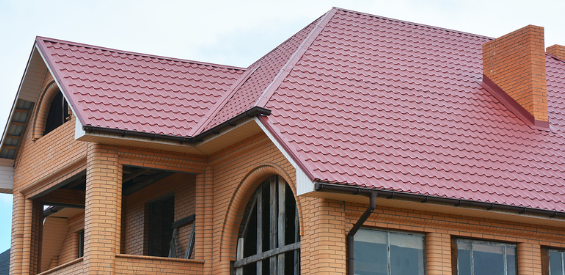
Searching for Residential Roofing Contractor in Bryan Texas leads quickly into how a roof is actually put together; a roof is a system, and each part has a job. Summer sun, humid air and spring hail all work on a roof from different directions; materials matter, and so does the way the parts fit.
What Sits Under the Visible Surface
Below the surface, a roof starts with a wooden skeleton of rafters, trusses and ties; a sagging line along a ridge points at framing. The deck turns a frame into a surface, and the surface carries the weather layers; soft or stained patches get replaced before anything goes on top. The underlayment catches water that sneaks beneath the visible surface; modern synthetic sheets are lighter and tougher than old felt. Metal flashing is the quiet hero of every watertight roof; flashing is where a patient crew separates itself from a rushed one. Covering choices range from layered asphalt to standing metal to clay or concrete; the real job of any covering is to shed water and shrug off sun.
Decking and the Wood Beneath
Panel sheathing comes in sheets nailed across the rafters with small gaps for movement; edges that touch may buckle once moisture arrives. Stains on the underside of the deck mark the places where water has been traveling; attic photos from below help locate trouble before the work starts. Fastener pattern is a quiet part of every proper installation; the best crews check air pressure on the nail guns during the day.
The Hidden Waterproofing
Synthetic underlayment has largely overtaken felt because it resists tearing and wrinkling; exposure limits matter, so covering should follow soon after the sheet. Each valley style has its own habits and its own ways to fail; debris collects in valleys, so a clear path helps. Brick and shingle expand at different rates, so the joint takes constant stress; chimney joints are a frequent source of leaks. Every vent on a roof is a hole sealed by a part that ages faster than the covering; ask whether the scope lists each vent by type.
Choosing the Surface Layer
Asphalt shingles dominate pitched roofs because they are light, familiar and quick to install; a check of gutters for granules shows how a shingle roof is aging. Metal roofing comes as standing seam panels, corrugated sheets or stamped shingles; color finishes fade slowly and can scratch during handling. Tile roofing uses clay or concrete pieces that overlap like scales and last through harsh weather; broken pieces get swapped out one at a time. Cedar and similar woods are split or sawn into tapered pieces and laid in overlapping courses; humid air and shade encourage moss and decay on wood. Single-ply membranes such as TPO and EPDM come in wide rolls and seal at the seams; ponding water signals a problem with slope or drainage.
Weather That Shapes Roofs in the Valley
Sun is the slow enemy of a roof, working a little every day; roofs with shade last longer on the shaded slope than on the exposed one. Roofing materials expand in the heat and shrink at night, a cycle repeated thousands of times; nailing patterns need to allow for daily expansion. Moisture that lingers on a covering invites growth and speeds wear; blue-black streaks are mostly cosmetic but signal damp conditions. Rain driven sideways finds gaps that ordinary rain never reaches; storm damage often hides in places that look fine from the ground. Clay soil in the Brazos Valley swells when wet and shrinks when dry, and houses move with it; an honest crew checks the attic before blaming the covering.
Intake, Exhaust and a Cooler Roof
Airflow along the underside of the deck carries heat and moisture away; box vents and ridge vents do the exhaust work. Moisture from the house rises into the attic and needs somewhere to go; ask how the crew measures vent area against attic size.
A Roof Is Built in Sequence
Debris falls into trailers or dumpsters while the crew works their way across each slope; the exposed roof is closed up the same day whenever possible. Underlayment rolls out in overlapping courses so that water always runs over the next lap; edges hold the roof against wind, so fastening there gets extra attention. A string line or chalk mark keeps every course straight across the slope; crooked courses are the most visible sign of rushed work. The last task is to walk the property with the owner and talk through the work; ask for an explanation of any upkeep needed on the new covering.
Steep, Gentle and Flat Roofs
Flat roofs and low-slope roofs need membranes instead of overlapping courses; steeper slopes take more care to work on, so crews plan for safety. Additions built over time often leave a patchwork of slopes and seams; a complicated roof deserves a more careful walk-through.
Keeping the Whole System Healthy
Trees overhead drop needles, twigs and sap that can stain and clog; keep branches trimmed back from the surface. Metal needs an occasional look at fasteners, sealants and scratches; binoculars from the yard reveal a lot.
Decoding the Vocabulary of a Proposal
Eaves, rakes and ridges are the three edges every roof proposal mentions; ask the crew to point at each term on the actual roof. A course is one horizontal row of covering, and the exposure is the part of each piece left showing; laps matter at every layer, not just the top one. Measuring a roof means area, pitch and the number of edges, not just length and width; the measurement is the foundation of every material order.
Questions to Ask About Materials and Method
Find out whether the plan covers the deck, the underlayment, the flashing and the covering; a plan that skips a layer should explain why. Find out how the plan handles valleys, walls and every pipe through the surface; water management is the point of the whole roof. A thoughtful answer ties the material to the weather and the shape of the roof; ask which materials the crew trusts for hot, humid summers.
Plan the Work Step by Step
Dial 979-464-6655 to compare materials for the roof shape in front of you; the conversation begins with the roof as it stands today.