
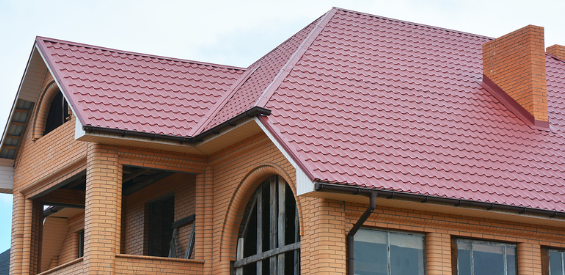
Reading about Residential Roofing Installation in Bryan Texas works best with the roof in mind as a stack of parts; every layer depends on the layer below. Roofing in the Brazos Valley asks a lot of its materials, with long hot summers, strong sun and sudden storms; good decisions begin with knowing what each layer is for.
The Anatomy of a Roof
The structure of a roof is timber, sized and spaced to carry weight across the walls; any soft spot in the frame becomes a conversation before covering goes down. Panels of wood nailed across the rafters make the working floor of a roof; water damage shows up first in the deck. The underlayment catches water that sneaks beneath the visible surface; the layer is unglamorous and does real work in a storm. Metal flashing is the quiet hero of every watertight roof; the details are small, and a missing detail is a leak. Covering choices range from layered asphalt to standing metal to clay or concrete; choosing a covering is easier once the layers below are understood.
Decking and the Wood Beneath
Plywood and oriented strand board are the two common deck materials, and each has habits; the deck needs room to breathe, and tight spacing causes ripples. Rot and moisture damage hide under old coverings and only show once the covering comes off; sound boards stay, damaged boards go, and the decision happens on site. Hardware choice and placement decide how well a roof grips through wind; consistent spacing is easy to see and easy to ask about.
Underlayment and Flashing: The Quiet Layers
A roll of synthetic sheet is lighter to carry and tougher on a slope; the choice belongs in the written scope. Each valley style has its own habits and its own ways to fail; valley metal should be intact, smooth and well fastened. Where masonry meets roof, metal pieces overlap in steps and tuck into mortar joints; photos of the finished chimney show the work. Rubber collars around plumbing pipes crack in the sun long before shingles wear out; new boots belong on every roof that gets a new covering.
Choosing the Surface Layer
Architectural shingles add thickness and shadow lines, while basic three-tab shingles stay thinner and flatter; thicker shingles hold up better under hail and wind. Metal sheds debris, resists fire and handles wind well when it is fastened correctly; rain on bare metal is loud unless the attic is insulated. Barrel and flat tiles give a roof a strong Spanish or Mediterranean look; the underlayment beneath tile handles the heavy waterproofing work. Natural covering ages to a silvery gray and calls for patient upkeep; fire rules and local covenants limit wood in certain neighborhoods. Commercial buildings, porches and additions with low slopes rely on membrane systems; each membrane type has its own seam method.
Climate and the Materials Choice
Reflective surfaces and good color choices help a roof handle strong sun; the surface layer is the first to show the sun's effect. The heat load on a roof in the valley is a design factor, not an afterthought; high attic heat is hard on wiring and stored belongings. Humidity brings algae, moss and mildew that streak and soften the surface of a roof; trimming back branches helps sunlight dry the surface. The same roof that bakes in summer has to withstand a violent spring afternoon; storm damage often hides in places that look fine from the ground. Brazos clay moves, and buildings on it flex a little with each cycle; cracks that open and close with the weather point to the ground.
Intake, Exhaust and a Cooler Roof
Soffit vents at the eaves feed air that rises and leaves through vents near the ridge; box vents and ridge vents do the exhaust work. A stuffy attic can add heat to the living space below in summer; ask how the crew measures vent area against attic size.
The Order of Work on a Roofing Job
Stripping the roof is fast, noisy work that sets up the careful steps after it; tear-off is the moment the real condition of the roof becomes known. Edge metal is set along the eaves and rakes before the sheet layer goes down; edges hold the roof against wind, so fastening there gets extra attention. Overlap is the principle behind every shingled or tiled roof, and sloping water does the rest; the final rows get extra care because they show from the street. Closing a roofing job means checking every slope and every detail; gutters are cleared of granules and debris.
How Pitch Chooses the Material
Pitch is the rise of a roof over its run, and the number decides which coverings are allowed; the pitch belongs in the written scope right next to the covering. A simple roof shape has fewer joints and fewer chances for leaks; a complicated roof deserves a more careful walk-through.
Maintenance That Matches the Materials
Trees overhead drop needles, twigs and sap that can stain and clog; keep branches trimmed back from the surface. Shingles need a glance at the gutters for granules and a check for curling tabs; binoculars from the yard reveal a lot.
Roofing Terms in Plain Words
The eave is the lower edge of a slope, the rake is the sloping side edge, and the ridge is the peak; clear vocabulary keeps everyone talking about the same part of the roof. A course is one horizontal row of covering, and the exposure is the part of each piece left showing; the manufacturer's instructions set the right exposure for each product. Waste, cutting and extra pieces at valleys and ridges add to the material count; ask how the crew measured the roof and how waste was figured.
Questions That Sort Good Plans From Vague Ones
Find out whether the plan covers the deck, the underlayment, the flashing and the covering; the written list is the reference for the final walk. Ask who is responsible for sealing the openings and how they will be sealed; water management is the point of the whole roof. Find out how the plan accounts for sun exposure, attic heat and damp shade; local knowledge shows in the questions a crew asks about the property.
Questions About Your Roof Are Welcome
Phone 979-464-6655 to ask what each layer of the roof is doing; samples and examples are easy to arrange once the material is chosen.