
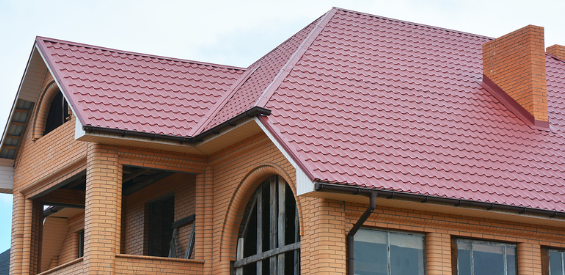
Reading about Wind Damage Roofing Repair in Bryan Texas works best with the roof in mind as a stack of parts; the visible covering is only the top of the stack. Summer sun, humid air and spring hail all work on a roof from different directions; materials matter, and so does the way the parts fit.
What Sits Under the Visible Surface
Rafters or trusses form the frame, and everything else rests on that skeleton; roofers inspect the structure before trusting it with new weight. The deck turns a frame into a surface, and the surface carries the weather layers; water damage shows up first in the deck. Felt or synthetic sheets give a roof a backup when wind drives rain past the covering; seams and laps matter, and a crew should be able to describe them. Thin sheets of metal bend into valleys, steps and collars to carry water away from joints; flashing is where a patient crew separates itself from a rushed one. Covering choices range from layered asphalt to standing metal to clay or concrete; appearance is the smallest part of what the covering does.
Decking and the Wood Beneath
Gaps at panel edges give the wood room to swell in humid weather; edges that touch may buckle once moisture arrives. A leak that has run for a long time leaves dark, soft wood behind it; attic photos from below help locate trouble before the work starts. Nails and screws set at the right depth and spacing keep panels from shifting; the best crews check air pressure on the nail guns during the day.
Backup Layers Under the Visible Roof
Synthetic underlayment has largely overtaken felt because it resists tearing and wrinkling; crews can show a sample in the driveway. Valleys carry the heaviest flow of water, so the metal or sheet there gets extra care; debris collects in valleys, so a clear path helps. Brick and shingle expand at different rates, so the joint takes constant stress; ask whether counterflashing will be cut in or surface-mounted. Rubber collars around plumbing pipes crack in the sun long before shingles wear out; new boots belong on every roof that gets a new covering.
Choosing the Surface Layer
Asphalt covering suits a wide range of slopes, upkeep habits and design tastes; sealing strips need warm weather to bond properly. Barns, shops and modern homes across the valley use metal for its light weight and long reach; panel profile and gauge should be named in the scope. Clay tile shrugs off sun and heat better than almost any other covering; framing should be checked before tile goes on. Natural covering ages to a silvery gray and calls for patient upkeep; humid air and shade encourage moss and decay on wood. Single-ply membranes such as TPO and EPDM come in wide rolls and seal at the seams; ponding water signals a problem with slope or drainage.
What Summers and Storms Do to Roofing
Ultraviolet light breaks down shingle binders, fades paint and chalks plastic membranes; the surface layer is the first to show the sun's effect. Hot attics bake the underside of the deck and shorten the life of the covering; ventilation moves heat out and keeps the structure cooler. Humid summers keep roof surfaces damp in the morning and slow to dry in shade; trimming back branches helps sunlight dry the surface. The same roof that bakes in summer has to withstand a violent spring afternoon; impact-resistant shingles and sturdy fastening patterns improve storm performance. Shifting ground shows up as cracks that look like leaks but are not always roof problems; cracks that open and close with the weather point to the ground.
Ventilation and the Attic
Airflow along the underside of the deck carries heat and moisture away; blocked soffit vents choke the whole system. Moisture from the house rises into the attic and needs somewhere to go; bath fans and dryers should vent outside, not into the attic.
The Order of Work on a Roofing Job
Removal reveals what the old roof was hiding, from rot to missing fasteners; nails scattered across the yard get swept with a magnet. Underlayment rolls out in overlapping courses so that water always runs over the next lap; starter strips and edge pieces finish the perimeter. Overlap is the principle behind every shingled or tiled roof, and sloping water does the rest; the pattern of nails is part of the product instructions. Debris leaves with the trucks, and the yard gets swept for nails; gutters are cleared of granules and debris.
Steep, Gentle and Flat Roofs
The angle of a roof sorts the materials into suitable and unsuitable choices; a lower slope calls for a closer look at every seam. Every change in direction on a roof is a line where water has to be managed; ask the crew to point out every joint they plan to flash.
Care After the Work Is Done
Leaves, needles and seed pods collect in the lowest spots and hold moisture against the covering; gutters that overflow wet the edge of the roof and the wall below. Membrane roofs need clear drains and a check for punctures and loose seams; bring a ladder only if you are comfortable and safe.
A Short Glossary for Roof Talk
A hip runs down where two slopes meet at an outside corner, and a valley runs where they meet at an inside corner; a scope that uses the terms correctly was written by someone who knows the trade. A course is one horizontal row of covering, and the exposure is the part of each piece left showing; uneven rows are easy to spot from the street. A square is a unit of area, so a bundle count and a square count tell different stories; large differences in measured area between crews are worth a question.
Questions to Ask About Materials and Method
A clear plan names every layer, from the wood up to the visible surface; a good crew answers in plain terms and without hurry. Request a description of how water is kept out of every joint; answers that mention metal first and sealant second are encouraging. A thoughtful answer ties the material to the weather and the shape of the roof; generic answers suit generic roofs, and few roofs are generic.
Talk Through the Layers on Your Roof
Reach out at 979-464-6655 to go over the slopes, the shade and the attic; a description of the roof shape helps narrow the options.