
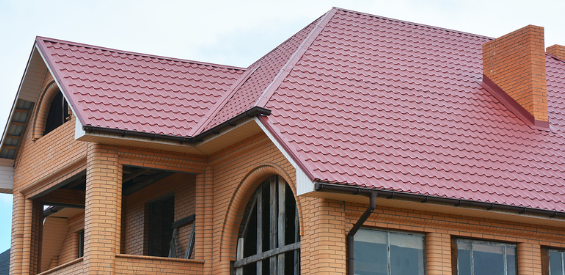
Reading about Wind Damage Roofing in Bryan Texas works best with the roof in mind as a stack of parts; the visible covering is only the top of the stack. Roofing in the Brazos Valley asks a lot of its materials, with long hot summers, strong sun and sudden storms; careful assembly counts for as much as the covering chosen.
What Sits Under the Visible Surface
Framing gives the roof its pitch, its lines and its strength; straight lines on a roof start with straight lumber below. The deck turns a frame into a surface, and the surface carries the weather layers; fasteners hold the deck, and the deck holds everything else. Underlayment is the second line of defense, a sheet layer between the deck and the covering; underlayment gets covered fast so it never sees weather for long. Wherever a slope hits a wall, a chimney or a pipe, a strip of metal stands guard; the details are small, and a missing detail is a leak. On top of all the hidden work sits the surface everyone sees from the street; the real job of any covering is to shed water and shrug off sun.
Why the Deck Gets So Much Attention
Wood decks take up humidity from the air and give it back as the weather shifts; each panel needs fasteners into the rafters on a steady pattern. A leak that has run for a long time leaves dark, soft wood behind it; attic photos from below help locate trouble before the work starts. Nails and screws set at the right depth and spacing keep panels from shifting; consistent spacing is easy to see and easy to ask about.
Details That Keep Storm Water Out
Synthetic underlayment has largely overtaken felt because it resists tearing and wrinkling; high-heat areas under metal may call for special sheets. Valleys carry the heaviest flow of water, so the metal or sheet there gets extra care; pine needles and leaves pile up in valleys first. Where masonry meets roof, metal pieces overlap in steps and tuck into mortar joints; old sealant on a chimney is a sign that metal work has been skipped. A cracked boot is one of the simplest causes of a ceiling stain; metal or lead alternatives last longer in sunny climates.
Choosing the Surface Layer
Layered asphalt sheets with a granule surface are the default choice on houses across the valley; shingle color affects how much heat the roof absorbs. Barns, shops and modern homes across the valley use metal for its light weight and long reach; expansion and contraction call for clips or fasteners that allow movement. Concrete tile is heavy, so the roof framing has to carry the weight; foot traffic should be minimal after the roof is done. Shakes are thicker and rougher than shingles, with a rustic, hand-split look; treatments and cleaning extend the life of a wood roof. Modified bitumen sheets are torched or adhered in overlapping layers for strong seams; ask how the edges and penetrations will be sealed.
Brazos Valley Sun, Heat and Humidity on Every Layer
Ultraviolet light breaks down shingle binders, fades paint and chalks plastic membranes; south and west slopes age faster than north and east slopes. Roofing materials expand in the heat and shrink at night, a cycle repeated thousands of times; reflective or light coverings take some of the strain off the attic. Damp air and shade give moss and lichen a start on roofs under trees; zinc or copper strips at the ridge slow algae growth. Spring storms test a roof with hail, straight-line wind and sudden downpours; a post-storm walk around the property catches early damage. Shifting ground shows up as cracks that look like leaks but are not always roof problems; attic inspections separate roof leaks from structural movement.
Intake, Exhaust and a Cooler Roof
Soffit vents at the eaves feed air that rises and leaves through vents near the ridge; box vents and ridge vents do the exhaust work. A stuffy attic can add heat to the living space below in summer; balanced airflow keeps the attic drier and cooler.
Installation From the Bottom Up
The crew strips old shingles or panels down to bare wood and sweeps the deck clean; the exposed roof is closed up the same day whenever possible. Underlayment rolls out in overlapping courses so that water always runs over the next lap; correct laps matter more than speed. The covering is laid in courses that overlap, with each row hiding the fasteners of the row below; each material follows its own installation rules. Cleanup and inspection finish the job, with a magnet sweep, a gutter check and a last walk across the roof; gutters are cleared of granules and debris.
How Pitch Chooses the Material
Asphalt shingles need a minimum slope to shed water reliably; a lower slope calls for a closer look at every seam. Additions built over time often leave a patchwork of slopes and seams; a complicated roof deserves a more careful walk-through.
Small Habits That Protect a Roof
Regular clearing is the simplest upkeep a roof can get; gutters that overflow wet the edge of the roof and the wall below. Metal needs an occasional look at fasteners, sealants and scratches; notes and photos build a record of changes.
Decoding the Vocabulary of a Proposal
The eave is the lower edge of a slope, the rake is the sloping side edge, and the ridge is the peak; write unfamiliar terms in the margin and ask about them. Rows of covering step upward from the eave, each hiding the nails of the one below; the manufacturer's instructions set the right exposure for each product. A square is a unit of area, so a bundle count and a square count tell different stories; the measurement is the foundation of every material order.
Questions to Ask About Materials and Method
Ask for the layer order in writing, from the deck to the ridge; a good crew answers in plain terms and without hurry. A good answer covers gutters, downspouts and the edge metal in one conversation; answers that mention metal first and sealant second are encouraging. Request thoughts on ventilation, since a roof that cannot breathe wears out early; ask which materials the crew trusts for hot, humid summers.
Plan the Work Step by Step
Dial 979-464-6655 to compare materials for the roof shape in front of you; questions about weather, shade and upkeep are welcome.