
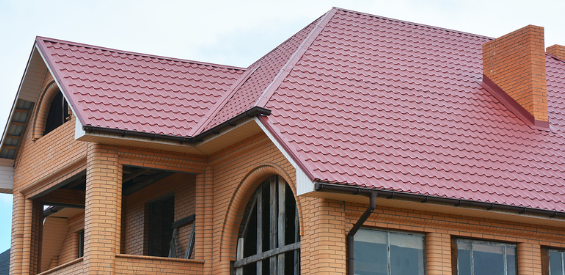
Questions about Roofing across Hearne Texas are really questions about materials and method; a roof is a system, and each part has a job. Summer sun, humid air and spring hail all work on a roof from different directions; a sound roof is built to handle sun, heat, moisture and wind alike.
Parts That Work as One System
The structure of a roof is timber, sized and spaced to carry weight across the walls; straight lines on a roof start with straight lumber below. Decking is the flat skin over the frame, usually plywood or oriented strand board; soft or stained patches get replaced before anything goes on top. The underlayment catches water that sneaks beneath the visible surface; modern synthetic sheets are lighter and tougher than old felt. Thin sheets of metal bend into valleys, steps and collars to carry water away from joints; ask which joints will get new metal and which will keep old. The covering is the visible layer, whether shingles, panels, tile, wood or a membrane; the best coverings suit the roof shape and the weather together.
Sheathing: The Layer Nobody Sees
Plywood and oriented strand board are the two common deck materials, and each has habits; humid summers are hard on thin or poorly fastened panels. Soft decking feels spongy underfoot and gives way under a crowbar; the fix is simple once the damage is found. Overdriven nails cut through the surface, and underdriven nails push up and lift the covering; corrosion-resistant fasteners last longer in humid air.
Metal and Membrane Behind the Surface
Felt still works, and synthetic sheets have simply improved the margin of safety; the choice belongs in the written scope. A valley may be woven with shingles, cut with a clean line or lined with open metal; debris collects in valleys, so a clear path helps. A chimney needs a small peaked piece behind it to turn water around the corner; old sealant on a chimney is a sign that metal work has been skipped. Pipe boots and vent collars are small parts with a short life compared with the roof itself; metal or lead alternatives last longer in sunny climates.
The Main Roofing Materials Side by Side
Granules on the surface shield the asphalt from sun and give each shingle its color; heat and sun slowly wear the granules, so the surface thins with age. Barns, shops and modern homes across the valley use metal for its light weight and long reach; rain on bare metal is loud unless the attic is insulated. Barrel and flat tiles give a roof a strong Spanish or Mediterranean look; hail can break tile, so a post-storm look is worthwhile. Natural covering ages to a silvery gray and calls for patient upkeep; ask what the crew does about spacing and fastening. Commercial buildings, porches and additions with low slopes rely on membrane systems; edges, seams and drains deserve the closest look.
Brazos Valley Sun, Heat and Humidity on Every Layer
Sun is the slow enemy of a roof, working a little every day; roofs with shade last longer on the shaded slope than on the exposed one. The heat load on a roof in the valley is a design factor, not an afterthought; ask how the roof will breathe, not just how it will look. Humid summers keep roof surfaces damp in the morning and slow to dry in shade; blue-black streaks are mostly cosmetic but signal damp conditions. Rain driven sideways finds gaps that ordinary rain never reaches; storm damage often hides in places that look fine from the ground. Shifting ground shows up as cracks that look like leaks but are not always roof problems; sorting the cause first keeps repairs targeted.
Air Movement Under the Deck
A balanced system draws in as much air as it exhausts; box vents and ridge vents do the exhaust work. Trapped heat bakes shingles from below, and trapped moisture rots the deck; ask how the crew measures vent area against attic size.
The Order of Work on a Roofing Job
Debris falls into trailers or dumpsters while the crew works their way across each slope; the deck is repaired as soon as the old covering is off. Drip edge and underlayment go on next, starting at the eaves and working up the slope; starter strips and edge pieces finish the perimeter. A string line or chalk mark keeps every course straight across the slope; the pattern of nails is part of the product instructions. A final look from the ground confirms straight lines, tidy edges and clean valleys; ask for an explanation of any upkeep needed on the new covering.
Why the Angle of a Roof Matters
A steep roof sheds water fast, while a gentle slope holds water for longer; measuring the pitch is one of the first steps of a visit. Every change in direction on a roof is a line where water has to be managed; a complicated roof deserves a more careful walk-through.
Keeping the Whole System Healthy
Trees overhead drop needles, twigs and sap that can stain and clog; check after storms, since wind drops branches and debris in one afternoon. Shingles need a glance at the gutters for granules and a check for curling tabs; bring a ladder only if you are comfortable and safe.
Reading the Language of Roofing
The eave is the lower edge of a slope, the rake is the sloping side edge, and the ridge is the peak; knowing the words makes a proposal much easier to read. The visible part of a shingle, called the reveal or exposure, is only a fraction of the whole piece; uneven rows are easy to spot from the street. Waste, cutting and extra pieces at valleys and ridges add to the material count; an aerial photo or a tape on the roof can both produce a good measurement.
Questions to Ask About Materials and Method
Ask for the layer order in writing, from the deck to the ridge; the written list is the reference for the final walk. Find out how the plan handles valleys, walls and every pipe through the surface; photos of finished details from earlier work are fair to ask for. Request thoughts on ventilation, since a roof that cannot breathe wears out early; local knowledge shows in the questions a crew asks about the property.
Questions About Your Roof Are Welcome
Dial 979-464-6655 to compare materials for the roof shape in front of you; a description of the roof shape helps narrow the options.